Markov chain Monte Carlo
April 27, 2026 ·
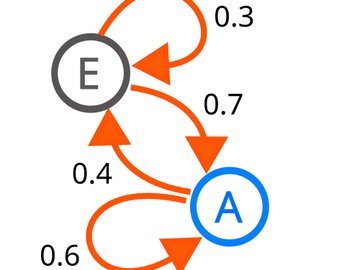
I had not heard of the abbreviation MCMC until the summer of 2024. I separately knew of Markov chains and Monte Carlo simulations, that too not so much in depth, but had not considered them together, or all that much individually for that matter. I will put their Wikipedia entries below, but essentially Markov chains are recurring probability calculations taking the output of each step as the input for the next one. Separately, Monte Carlo simulations use randomness to generate multiple probabilities which help approximations and optimizations estimate deterministic outcomes via random guesses. Used together, MCMC is akin to mathematically letting Pac-Man loose on a bounded space until it figures out the nature of probability distributions within it.
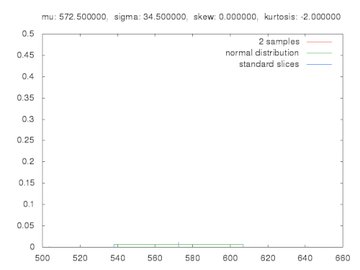
Impressive as it may seem, I must admit I remain skeptical of this methodology. It's Bayesian in its nature and philosophy, meaning it updates its knowledge of the state with each calculation. I don't doubt it works charmingly well in context, which my guess is bounded state space and bounded volatility; two assumptions I mention while discussing previously the central limit theorem and law of large numbers. I just find these things more for laboratories than application in real life is all. This tends to annoy people who are big fans of these things in my experience. But to be fair I ought to spend more time with these things before finalizing my judgements.
Probably my most general comment about these fancy probability models is that they are great gatekeeping tools to keep criticism at bay. Hardly anyone knows or understands these things in depth enough to be able to hold a conversation about them, and what I've observed happens often is people bring these things up to exclude non-technical people from entering the discussion. Maybe that even has some merit to it because it acts as some kind of gated neighborhood situation with only high quality conversation allowed inside. And if that's the intention, then I'm all for it. But even other than that, I find that these things are great for increasing one's conceptual clarity and not so much in day to day life. Maybe I'm wrong and like I said before, I ought to spend more time with these models before passing judgement.
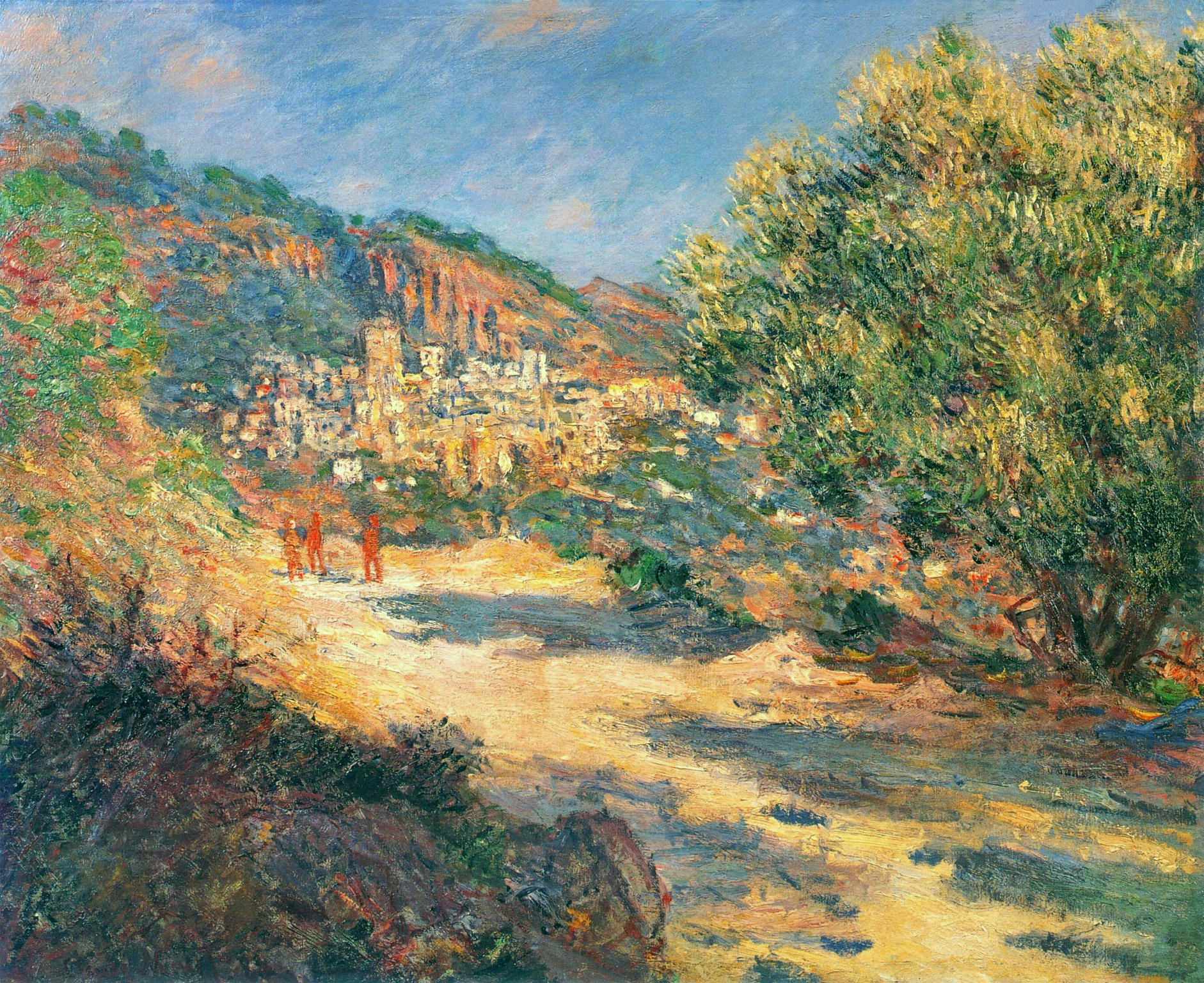
The Road to Monte Carlo by Claude Monet here.
comments section
~$1/comment: pay with card · pay with Ethereum