Show Me the Guru
April 30, 2026 ·
My childhood friend Gurumehar Singh is now an entrepreneur with a portfolio of ventures in Punjab: a warehousing operation, innovation incubators and office spaces, real estate, probably more stuff I'm unaware of. Over the years in my infrequent visits, I've seen him get into and run a number of projects some of which have now faded into the past while others flourish. A true inspiration, yesterday he shared with me a video produced by Roundglass Foundation in which they put him in the spotlight for a passion he enjoys deeply: do-nothing farming. I'll put the video at the end below, but first a picture I found while visiting in 2021 (I think) when I accompanied Guru and his dad to a land scouting trip when the subject of today's video was just a prospect idea.
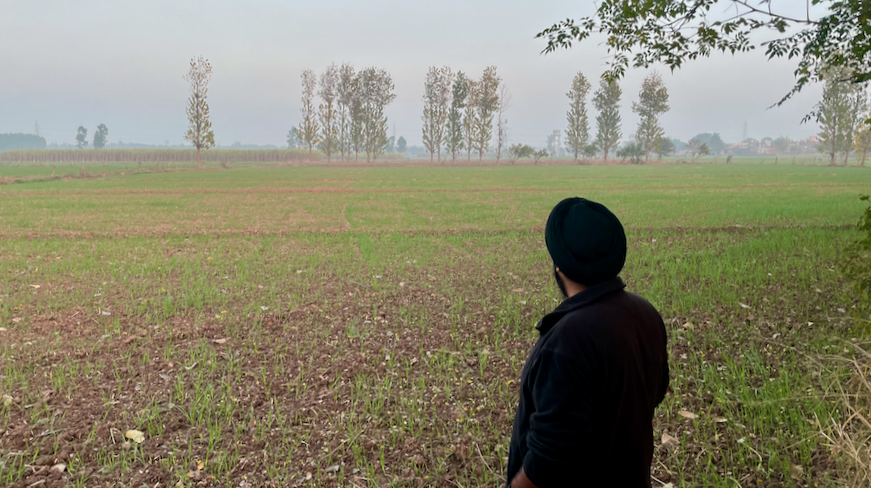
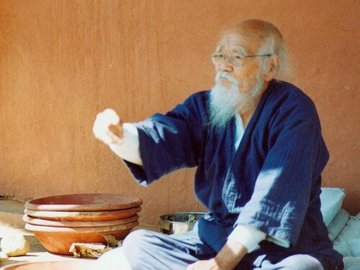
Before any of it was a thing, in his 20s Guru got into hydroponics, growing among other things Dutch lilies...in Punjab. He was always into farming and innovation with deep respect for nature, and seeing him stand the operation up from scratch was like an in-person Clarkson's Farm viewing before it ever aired. Since then, he has developed a further keen eye for permaculture and native biota, of which he conserves and grows more than 50 varieties of at Do Nothing Farms, located in Pir Jain, Fatehgarh Sahib tehsil (district) of Punjab. Some of the biodiversity he discusses in the video are Jungle Jalebi (Madras thorn) that makes local birds and their nests feel safer, Red Jatrophas, white Double Chandnis, Shahtoot (Mulberries), and Kachnar (Bauhinia) whose leaves look like butterflies. Guru makes tea for the production crew with Lemongrass, Kachnar, and Tulsi (Holy Basil). If you're ever in the area and want to have this tea, email Guru.
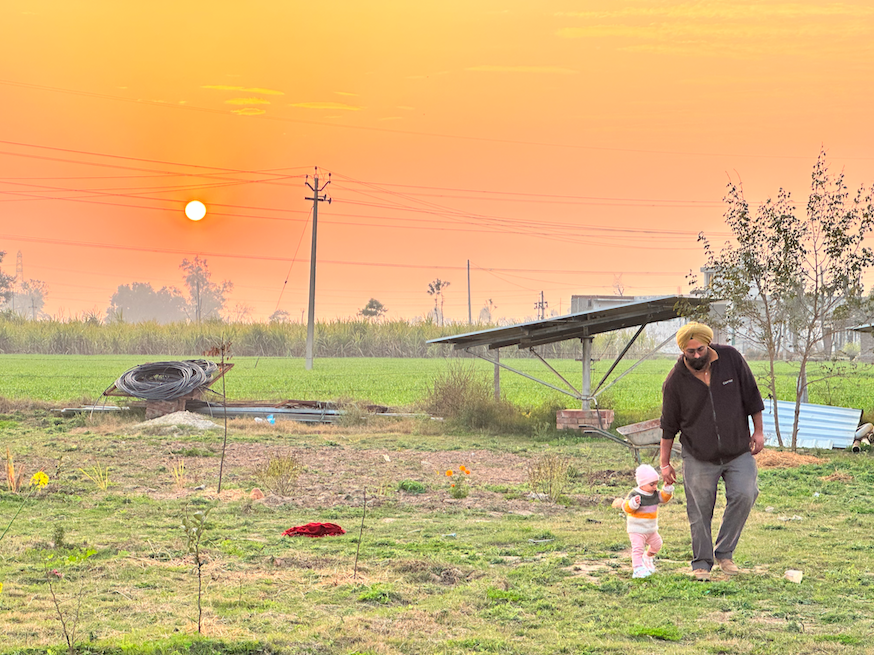
I then visited again in 2023 (I think), and the hydroponics Dutch lilly lessons had been learnt. Guru now was married and had his first child. Project Do Nothing was on. I haven't visited since and shall update on the latest and the greatest in another future post; I'll just say this for now: the word gur has a variety of etymological roots, from lion's cub in Hebrew to a mountain or some kind of powerful and sturdy structure in Proto-Indo-European languages, to even a unit of measurement in Mesopotamia apparently. But to me personally gur best translates meaningfully as the Indian word for epistemology, the branch of philosophy focused on the nature, origin, scope, and limits of human knowledge. A gur-u then is someone, a teacher-like figure, showing one the epistemological path to enlightenment. Guru's architect wife Jasleen, his two children, Ajooni and Aadh, and his (grand)parents must be proud to have someone true to his name in their lives.
Ok enough yapping, watch the video!

comments section
~$1/comment: pay with card · pay with Ethereum